
About this Edition
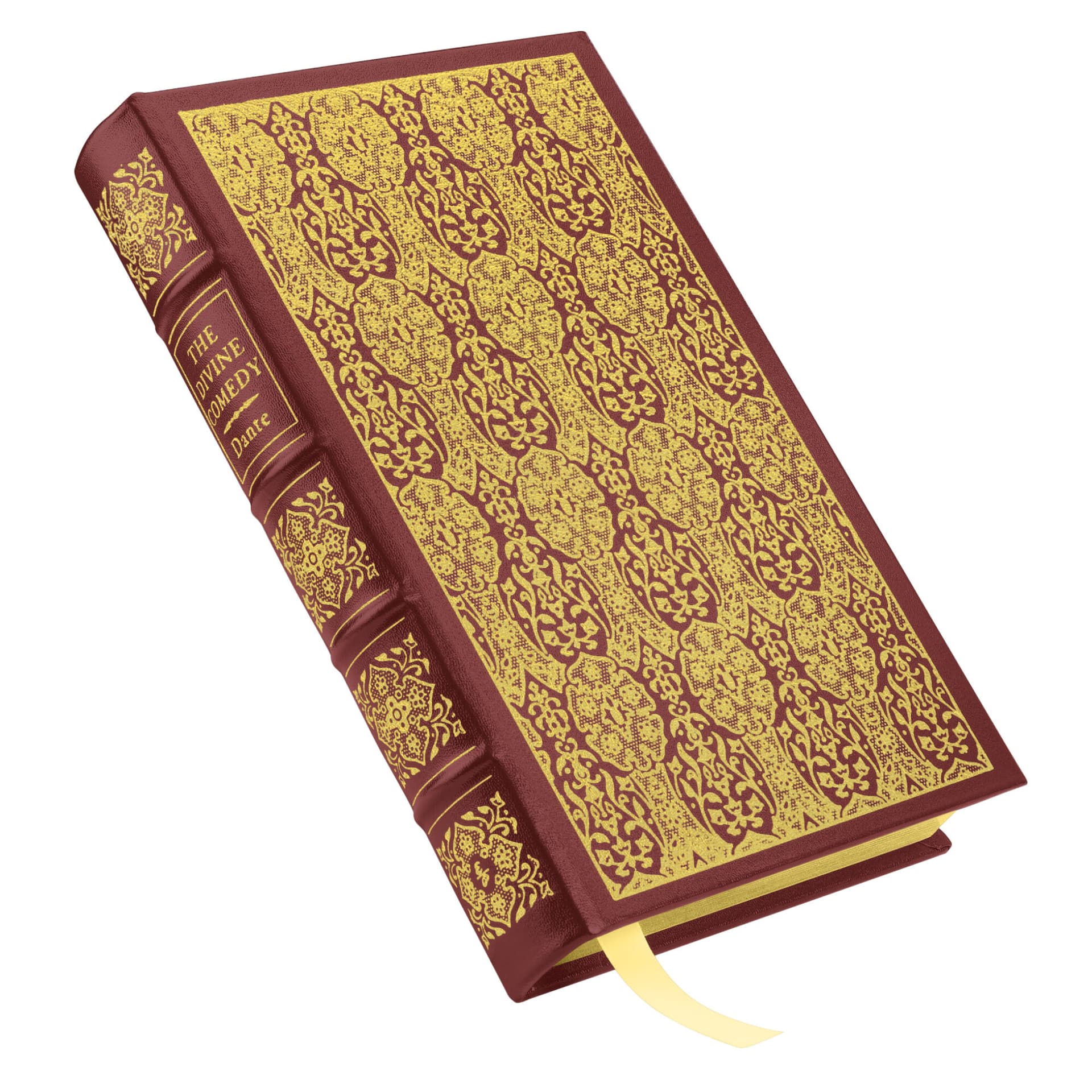
The Divine Comedy is an Italian narrative poem by Dante Alighieri, begun ca. 1308 and completed ca. 1321, shortly before the author’s death. It is widely considered the pre-eminent work in Italian literature and one of the greatest works of world literature. The poem’s imaginative vision of the afterlife is representative of the medieval worldview as it existed in the Western Church by the 14th century. It helped establish the Tuscan language, in which it was written, as the standardized Italian language. It is divided into three parts: Inferno, Purgatorio, and Paradiso. The poem discusses “the state of the soul after death and presents an image of divine justice meted out as due punishment or reward,” and describes Dante’s travels through Hell, Purgatory, and Heaven. Dante draws on medieval Catholic theology and philosophy, especially Thomistic philosophy derived from the Summa Theologica of Thomas Aquinas. Consequently, the Divine Comedy has been called “the Summa in verse.” The epic grandeur of Dante’s masterpiece has inspired readers for 700 years and has entered the human imagination; but the further we move from the late medieval world of Dante, the more a rich understanding and enjoyment of the poem depends on knowledgeable guidance. In 1997, Robert and Jean Hollander embarked on the herculean task of creating a beautifully accurate and clear verse translation of the Divine Comedy.
Publication Details
Physical Features
Contributors
Compare Editions
%3Afill(white)%3Aquality(100)%2Fhttps%3A%2F%2Fwww.foliosociety.com%2Fstatic%2Fmedia%2Fcatalog%2Fproduct%2Fd%2Fv%2Fdvn_bookshot_2.png&w=1920&q=75)


Comments
…